
Vacuum-packed corn - a more convenient way to eat high in fibre
Vacuum-packed corn - a more convenient way to eat high in fibre


Increasingly elaborate dietary patterns have taken us further and further away from a high-fibre diet.
The fast pace and convenience of modern life have made many people more inclined to choose fast food, convenience food and other high-calorie, high-fat, high-sugar and low-fibre foods. Fibre is often removed in large quantities during the production and processing of these foods in order to improve taste and extend shelf life.
In addition, people's pursuit of food texture has made our diet farther and farther away from a high-fibre diet. For example, many people prefer to eat refined white rice rather than brown rice, and white bread rather than wholemeal bread, all of which have led to a significant reduction in the fibre content of our diets.
Of course, we all know that fibre is very important for our body and a proper intake of fibre can:
1. Improve digestion: Fibre can help prevent constipation and haemorrhoids by increasing the size and softness of stools. It can also help prevent intestinal diseases such as colon cancer.
2. Controls blood sugar: Fibre slows down the movement of food through the digestive system, thus helping to control blood sugar levels.
3. Lowering cholesterol: Fibre can lower cholesterol levels, which reduces the risk of heart disease.
4. Maintaining a healthy weight: Since fibre makes you feel full, it can help control your weight.
5. Promote intestinal health: Fibre can help maintain intestinal health by promoting the growth of beneficial flora in the intestines.
As a company that produces healthy products, we are well aware of convenient ways to consume dietary fibre.
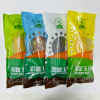
For example, sweet corn contains 2 grams of dietary fibre per 100 grams of sweet corn, and vacuum-packed corn can be stored for a long time, making it very easy for people to consume fibre at any time, which helps to maintain good health.
Related News






新封面-封面.jpg?x-oss-process=image/resize,w_100/quality,q_100)

Contact US
Product Information
Quantity
Unit
Piece
Support order samples, customization, wholesale direct, and complete payment. If the product you look for does not have corresponding customized content, pls fill out the form below to contact us, and we will reply ASAP.